How rethink, redesign
and rebuild an application
The Challenge: Beyond Superficial Redesigns
Historically, redesign efforts for the deepico ERP were treated as mpostly visual updates; a "lick of paint" that required significant effort but added little functional value to the product. Furthermore, the system needed to serve highly varied user contexts, from administrators managing dense data to floor workers needing quick, touch-friendly interfaces. A new, foundational approach was required to make meaningful improvements.
Strategic Approach: The Iterative Roadmap
Instead of attempting a massive, disruptive overhaul, I initiated a long-term, iterative rebuild strategy. We transitioned to updating the platform feature by feature, guided by clearly defined goals.
To manage this, I developed a comprehensive UX roadmap designed to work across all touchpoints (backoffice, tablets, and webshops).
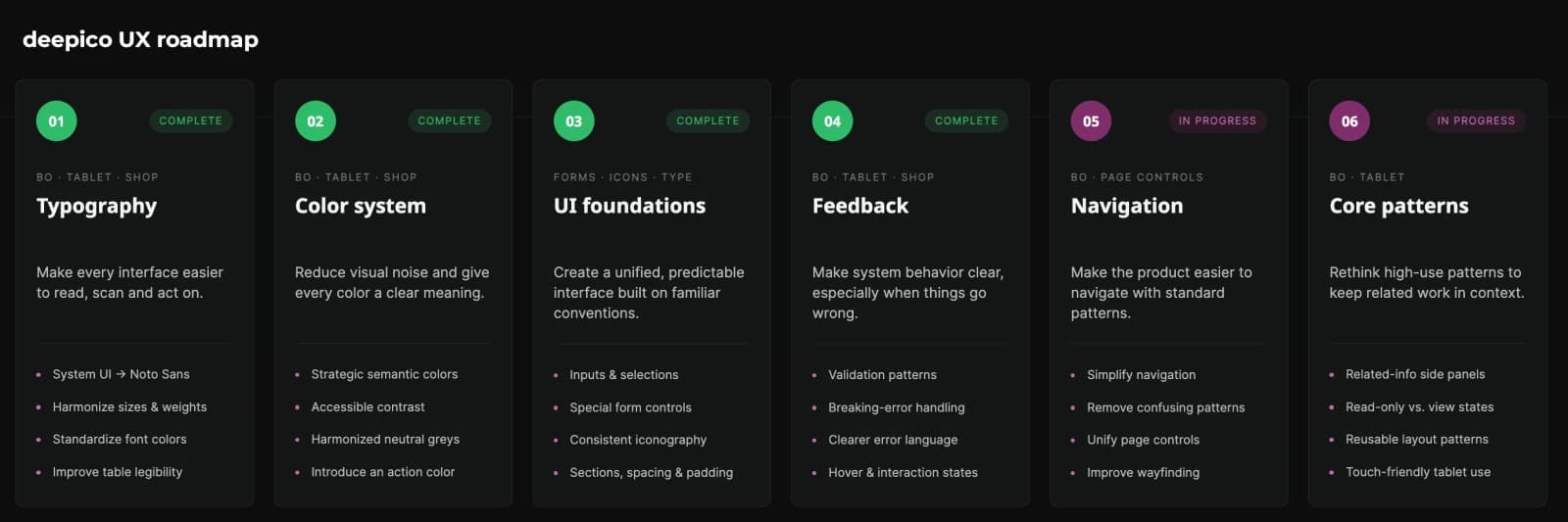
The phased UX roadmap tracking progress from foundational typography and color systems to complex navigation and core patterns
Design & Execution
Phase 1: Defining the Structural Architecture
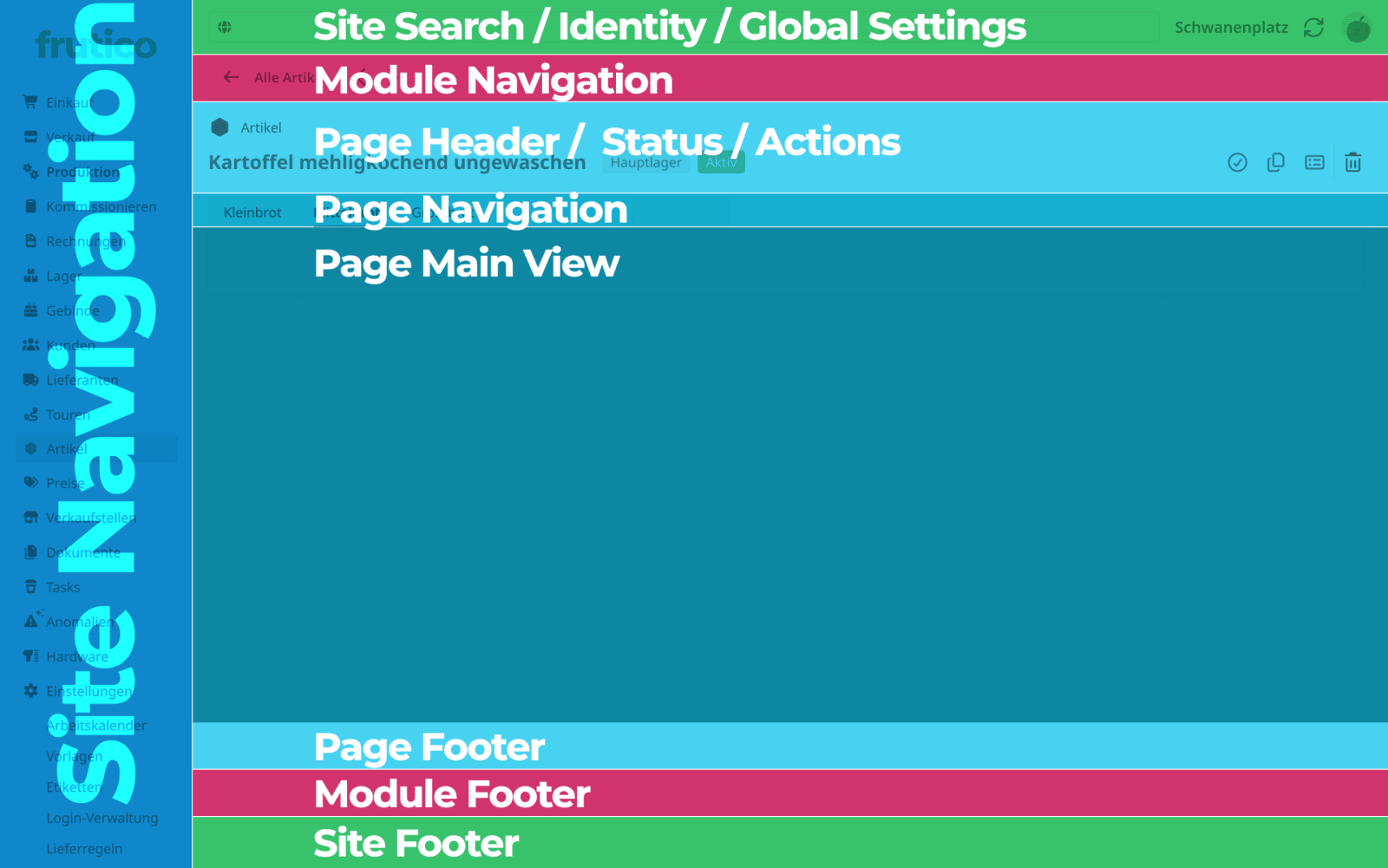
Before redesigning individual screens, I established a strict, unified spatial layout. This standardized how users navigate and interact with modules across the entire application, clearly separating global site navigation from page-specific actions and content.
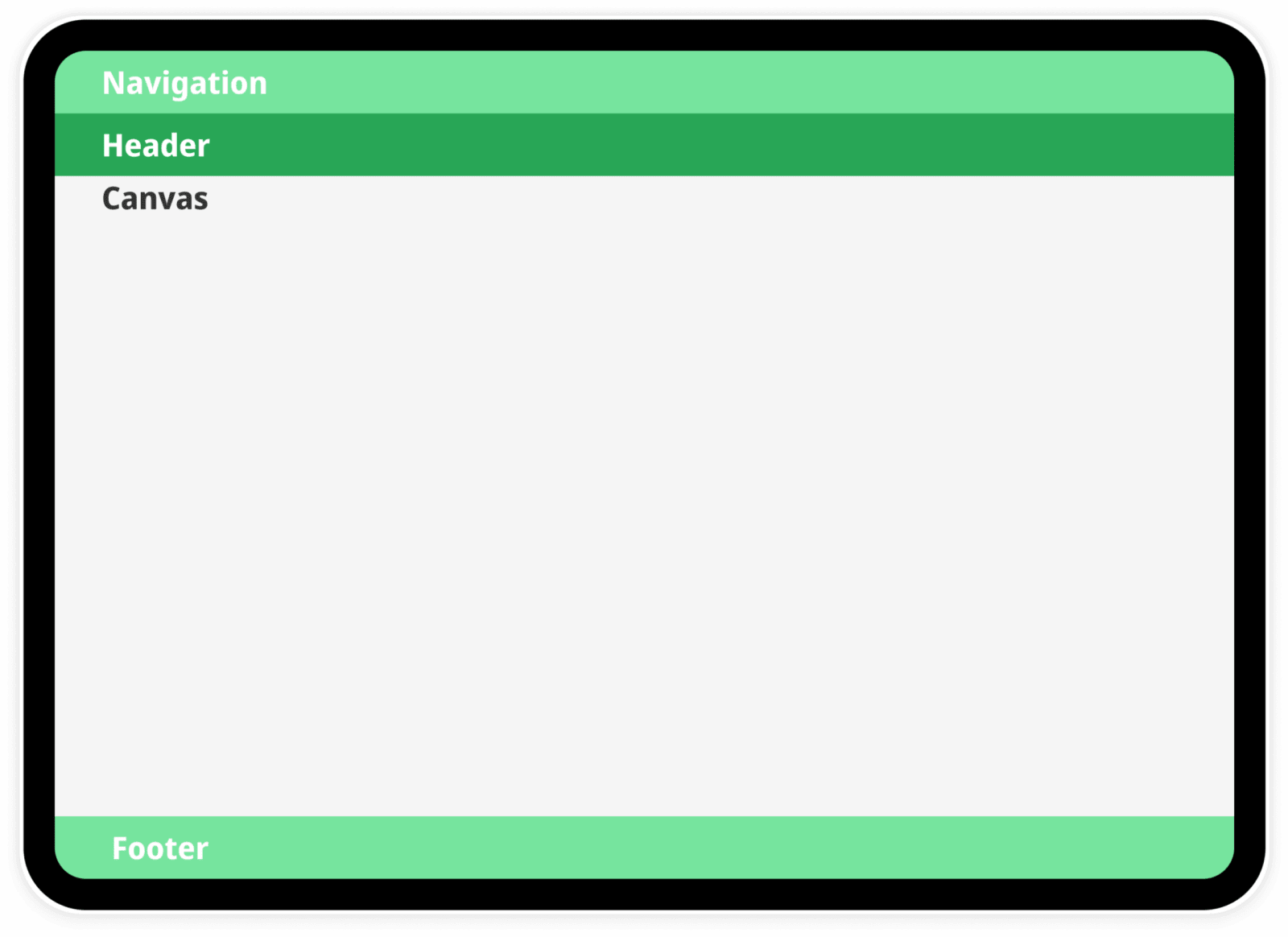
Basic structural zoning for the 16:10 tablet layout
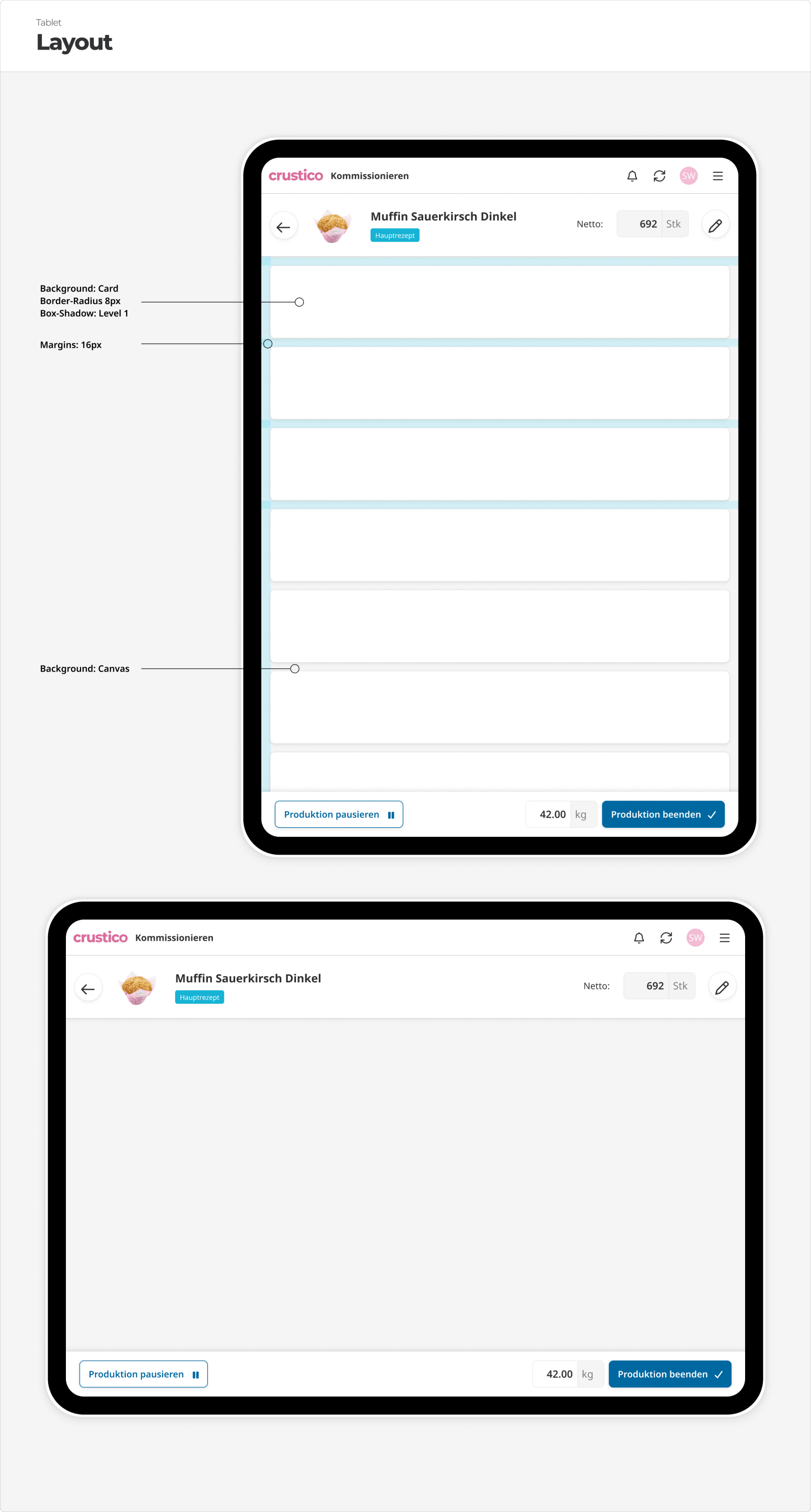
Detailed component specifications for the touch-friendly tablet interface used on the production floor
Phase 3: Managing Complex Backoffice Data
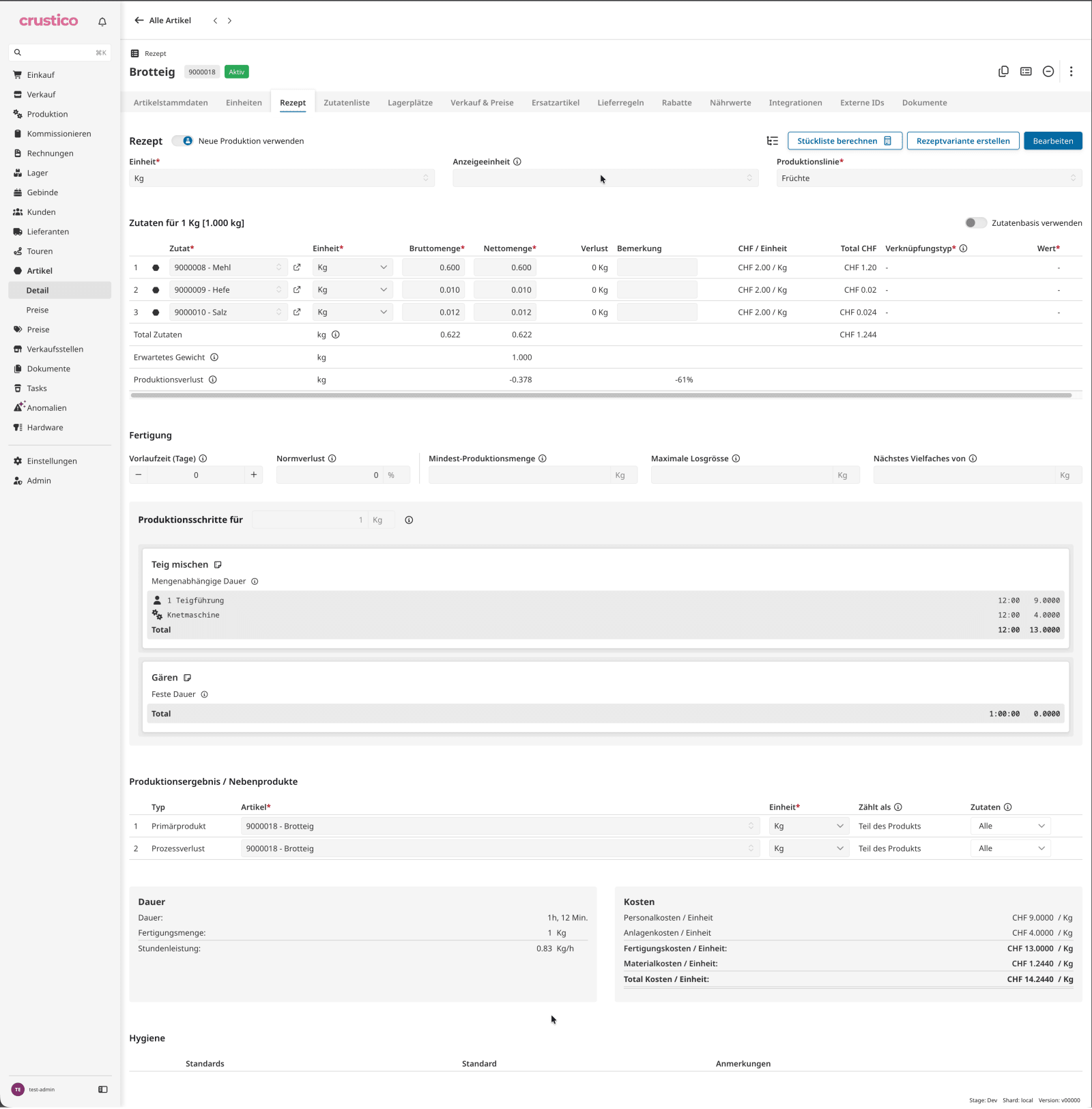
For backoffice administrators, the challenge was information density. We applied the new UI foundations to highly complex product forms such as configuring specific recipe variants, organizing the data into scannable, tabbed views with clear input fields, robust dropdowns, and integrated rich-text editing
Outcome
By rolling out these design updates in regular, iterative releases, the application evolves steadily without disrupting the users' daily workflows. Additionally, because the new UI is built on a semantically structured foundation, the product team can now scale the application with minimal friction. Adding new fields, sections, or tabs to complex views requires significantly less design and engineering effort, ensuring the platform remains agile and can quickly adapt to shifting business requirements.
Role
Role: Lead Product Designer
Context
Context: deepico’s ERP and PMS system supports complex food industry operations, serving three distinct environments: backoffice administration, factory floor tablets, and customer-facing webshops.